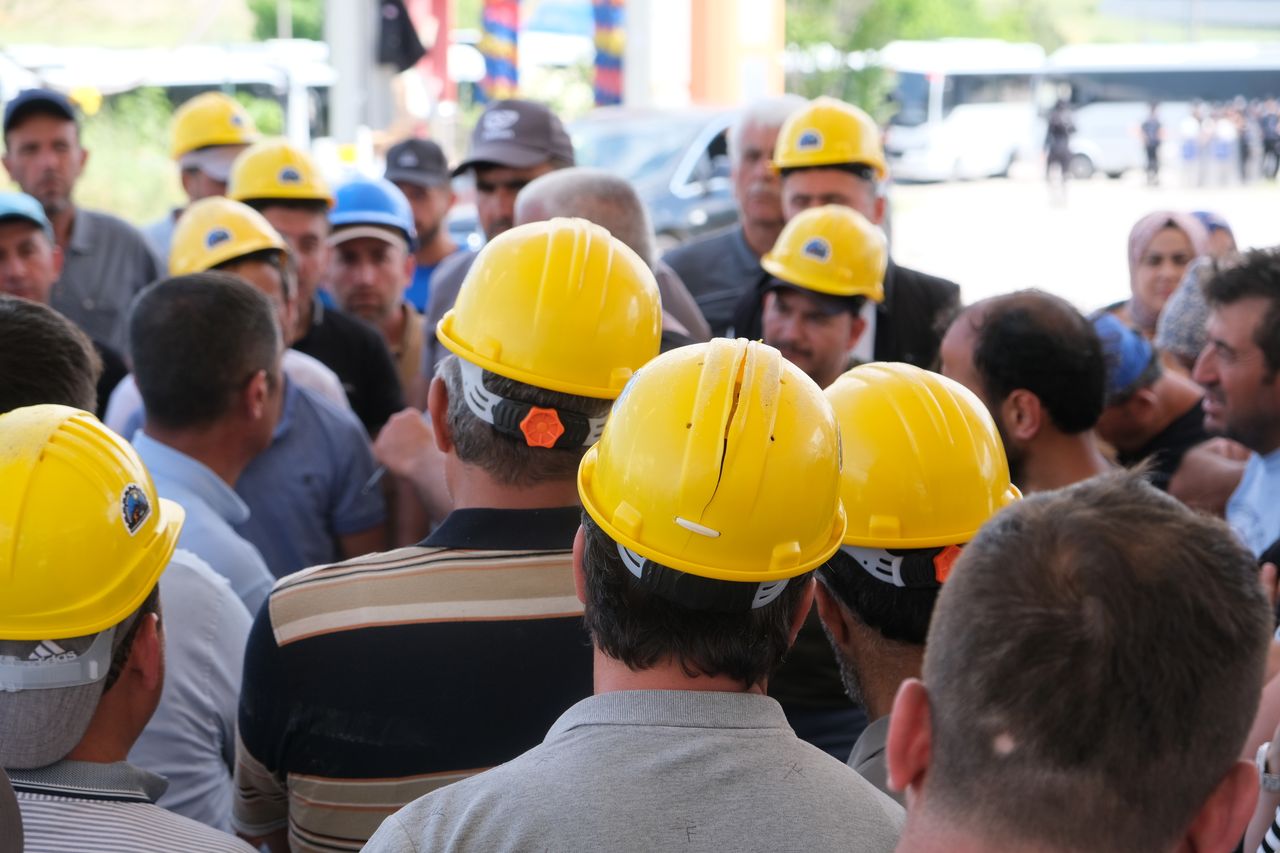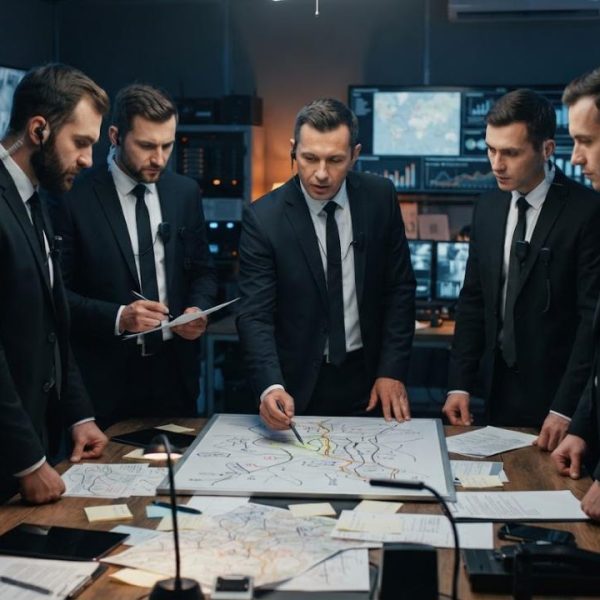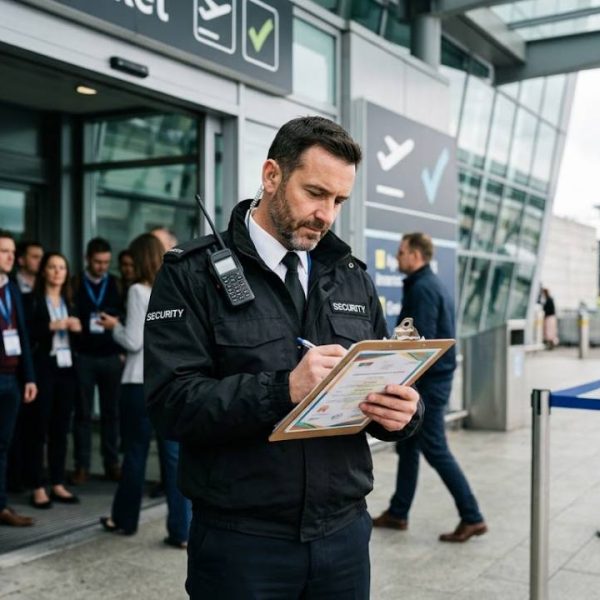
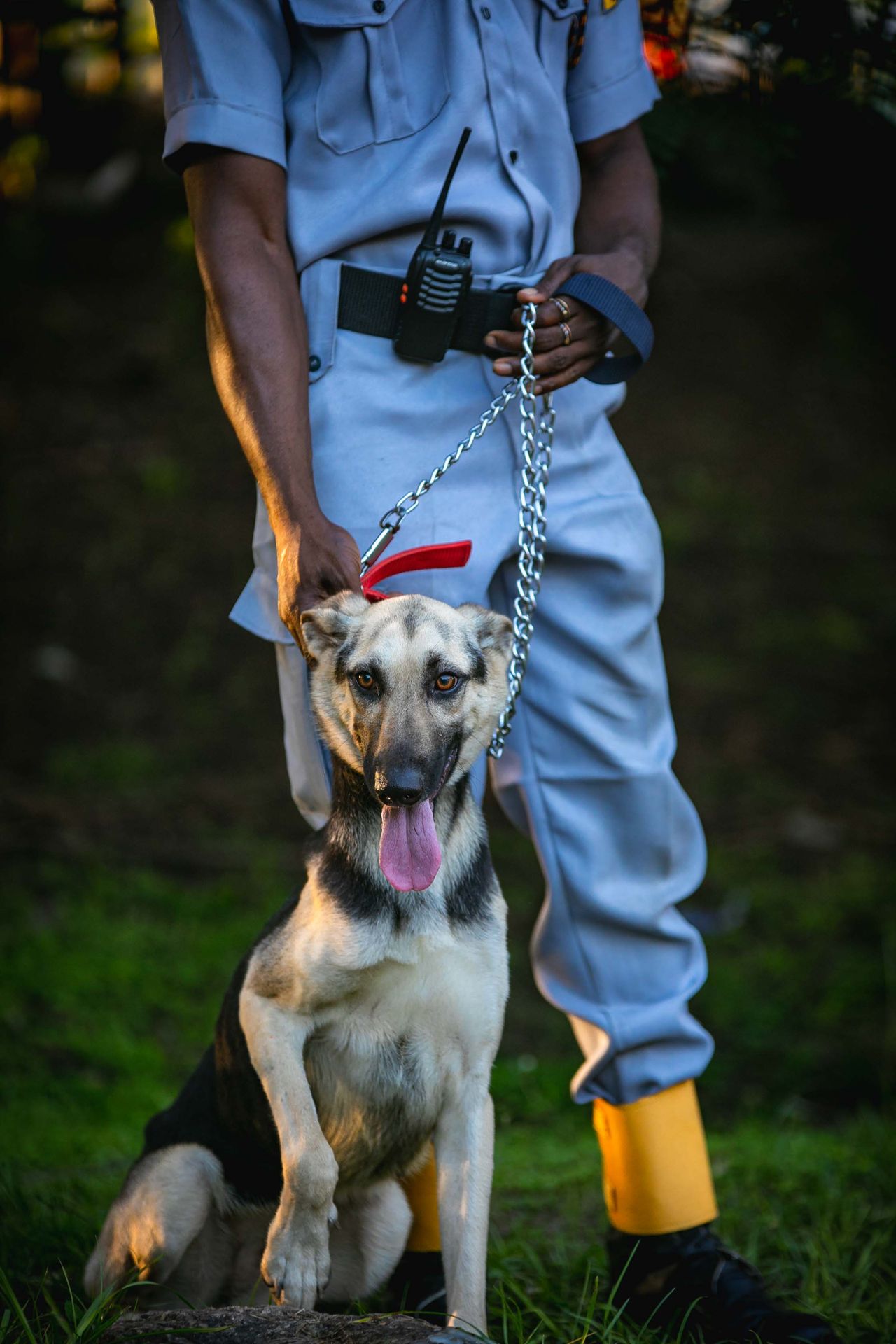
A guard at a mine gate in the Copperbelt hears a warning shouted by a truck driver. The words are in Bemba. The guard speaks English and Nyanja. By the time a colleague translates the message the truck has already passed the barrier. Moments like this are ordinary in African security work and they explain why language has become a core security skill.
Private security is one of the fastest growing industries on the continent. International firms protect mines and ports and embassies and aid convoys across dozens of countries. The equipment is modern. The biggest gap is often simpler. Guards and supervisors and the communities around them do not always share a language.
A Continent With Thousands of Languages
Linguists still debate the exact figure. Most estimates place the number of languages spoken natively in Africa somewhere between 1250 and 2100. Nigeria alone has more than 500. The overview on Languages of Africa explains why the count depends on how dialects are classified.
For security managers this diversity is not an academic detail. A site in northern Kenya may rely on Swahili for daily briefings while nearby herders speak Turkana or Somali. A port in West Africa may run operations in French while dock workers talk among themselves in Wolof or Fula. Each gap is a place where a warning can get lost.
International companies that expand quickly often underestimate this. They hire guards who speak the colonial language of the country and assume the job is done. In practice the most valuable intelligence usually arrives in a local tongue first.
What Goes Wrong When Guards Cannot Communicate
Incident reports tell the story. Guards who cannot explain a rule clearly tend to escalate faster. A calm explanation in the right language can defuse a confrontation at a gate. Shouting orders in a language the other person barely understands does the opposite.
Community relations suffer too. Mining companies and energy projects depend on a social licence to operate. When residents feel ignored or misunderstood by security staff protests follow. Many of the worst clashes around extractive sites began as small misunderstandings that nobody could translate in time.
Training is another weak point. Safety procedures and use of force policies and evacuation plans are often written only in English or French. Guards sign them without fully understanding them. When an emergency comes they fall back on instinct rather than procedure.
Radio traffic adds another layer of risk. Control rooms often run in one language while patrols report in another. Short codes help but they cannot describe an unusual situation. A supervisor who hears a garbled report in a second language may send the wrong response team or send it too late. Clear radio protocols in a shared language are cheap insurance.
South Africa and the Scale of the Industry
South Africa shows how big the sector has become. The country has more registered private security officers than police officers and soldiers combined. The industry is regulated by PSIRA which licenses companies and individual guards and sets training standards.
The country also has twelve official languages after South African Sign Language was added in 2023. A guard in Johannesburg may deal with Zulu and Sotho and Afrikaans speakers in a single shift. Companies that recruit guards with strong local language skills report fewer complaints and better cooperation with residents.
The lesson travels well beyond South Africa. Security firms that treat language as part of risk assessment make better decisions about who to deploy and where.
Ethiopia and the Horn of Africa
Ethiopia is a good example of why a single working language is rarely enough. Amharic has long been the federal working language but the country has more than 80 languages in total. In 2020 the government announced plans to add Afaan Oromo and Tigrinya and Somali and Afar as further federal working languages.
For a security team protecting a construction project or an aid warehouse this matters a lot. A firm briefing its guards should understand which ethiopian language dominates each region before it writes a single procedure. Oromo is the most widely spoken first language in the country and is common across much of the south and west.
The same logic applies across the region. Security plans for Somalia and Djibouti and Eritrea all need their own language mapping. What works in Addis Ababa will not automatically work two hundred miles away.
Building Language Into Security Planning
The first step is a language audit for each site. Managers should list the languages spoken by guards and local workers and nearby communities and regular visitors. That list shows where interpreters are needed and which staff can bridge gaps.
The second step is translated documentation. Post orders and emergency procedures and codes of conduct should exist in the languages guards actually use. Knowledge of the major african languages helps companies choose which versions to prioritise. Swahili and Hausa and Amharic and Yoruba each reach tens of millions of speakers.
The third step is recruitment. Hiring guards from the surrounding area brings local language skills and local knowledge. It also builds trust. Communities tend to cooperate more with guards they know and can talk to.
The fourth step is ongoing training. Short language modules for supervisors and simple phrase cards for new guards cost little. They pay off the first time a guard understands a warning that would otherwise have been missed.
What Clients Should Ask Their Security Provider
Companies that hire security contractors in Africa should ask direct questions. Which languages do your guards speak at our site? Are procedures translated and tested? Who handles communication with local leaders? Vague answers are a warning sign.
Good providers will show their language mapping without being asked. They will also explain how they handle incidents involving people who speak none of the site languages. That level of detail separates a professional operation from one that simply puts uniforms at the gate.
Security in Africa depends on trust and trust depends on being understood. Firms that invest in language skills protect their clients better and reduce the risk of conflict with the communities around them. The guard who can explain a rule in the right words is often the most effective security tool on site.